Investigation
Ask what the initial assessment includes and whether a further visit could be needed. An investigation does not automatically include every possible repair.
AUSTRALIA / HOT WATER / PROFESSIONAL CARE
Start with a conversation.
Leave the technical work to a professional.


Understand systems, ask about a service and make sense of the proposed scope.
A gas water heater, a storage cylinder and a heating boiler can sit behind the same everyday question: what should I ask before someone attends?
Davurelo brings the terminology, preparation and professional boundaries into one place. We explain what a conversation might cover without pretending to inspect your home.
How this information desk works ↗If you suspect a gas leak, carbon monoxide or another immediate danger, move away from the affected area and use the appropriate emergency channel. Do not wait for a website reply or investigate the appliance yourself.
Read the safety boundaries ↗Start from information you already have. These categories describe general approaches, not a diagnosis of your equipment.
This type heats water as it is needed instead of keeping a full tank hot. Your existing manual or service paperwork can help establish the model and fuel type.
Read the system notes ↗Choose the context of your enquiry. Tick only the points that have actually been discussed, then use the remaining questions as a starting point.
YOUR CONVERSATION / NOT A DIAGNOSIS
This tool reorganises general questions. It cannot verify credentials, inspect equipment, approve a quote or determine a safe repair.
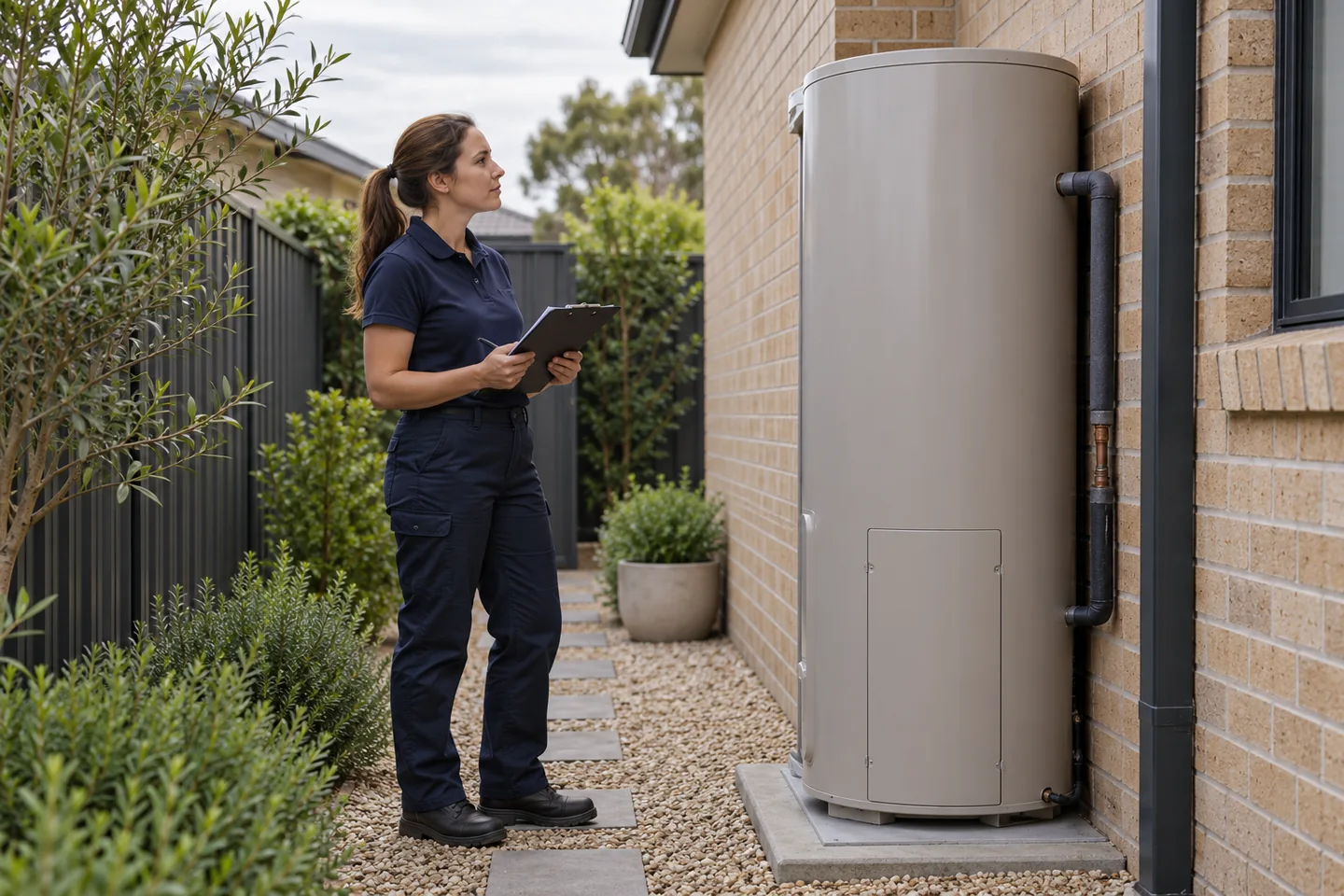
A service, an investigation and a replacement proposal are different conversations. Ask which one is being offered and what can only be decided after an inspection.
For gas work, check the professional’s authorisation for the particular work and your location. A job title or a general advertisement is not the same as verified credentials.
Understand professional care ↗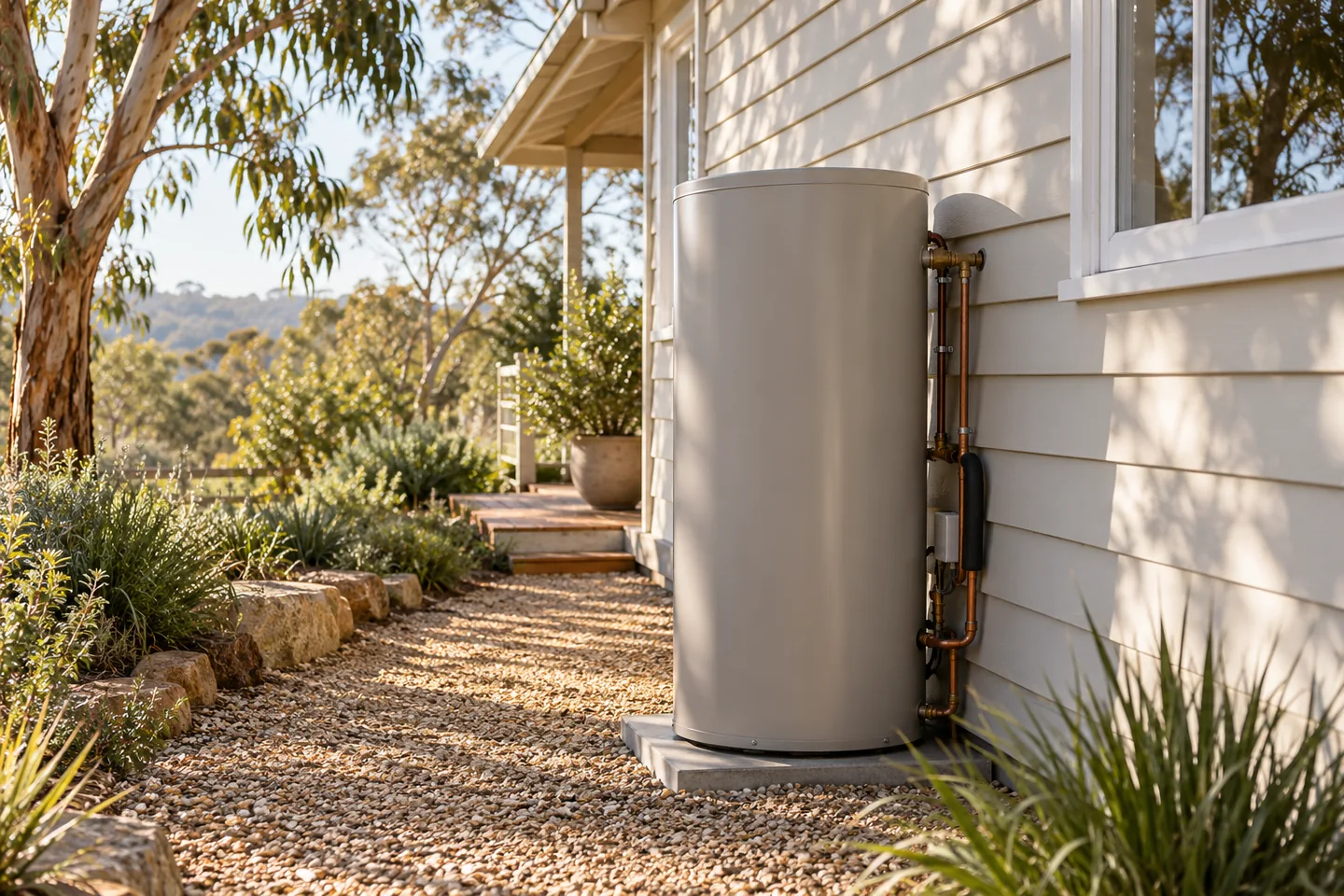

A meaningful estimate explains what is known, what is conditional and what happens if the proposed work changes.
Ask what the initial assessment includes and whether a further visit could be needed. An investigation does not automatically include every possible repair.
Look for a clear account of the components and work proposed. Availability, compatibility and approval should be confirmed by the provider.
Clarify how the provider will explain unexpected findings and obtain permission before additional work. Keep that conversation in writing where possible.
Have relevant records ready, confirm the arrival arrangement with the provider and explain any access limits. Keep children and pets away from the work area as directed.
Do not dismantle, move or test a suspect appliance to make the appointment easier. Ask the professional what preparation is appropriate.
Prepare for the conversation ↗
Ask for an understandable description of the findings, including anything that remains unresolved. A written record is easier to revisit than a remembered conversation.
Check that the record distinguishes assessment, servicing and any authorised repair. Ask the provider to explain unfamiliar terminology.
Any future care or restrictions should be based on your appliance and the professional’s advice. An online guide cannot decide a service interval for you.

Some household systems provide hot water for taps. Others heat water circulating through radiators or another heating system. A combined arrangement may do both.
Identify the function from your records, then ask an appropriately qualified provider about the actual model. Do not adjust internal controls, pressure components or gas connections using generic online advice.

A refrigerator concern, a cooker problem and a hot-water issue may call for different skills. Clearly naming the appliance helps a provider establish whether the work is within their scope.
Refrigerators, ovens and cooktops ↗Original illustrative photography. These scenes are not evidence of a real service team, installation approval or completed job.
The answers below describe the information desk and the limits of its tools.
6 questions
No. The desk is an independent information resource. Our enquiry form saves website questions; it does not dispatch tradespeople, offer appointments or confirm service coverage.
A display message can be useful context for a qualified professional, but a website cannot establish the cause. Record a message you have already seen without opening covers or deliberately reproducing a concerning condition.
No provider or verified schedule of charges has been supplied. Equipment, access, labour, diagnosis and parts can affect a proposed scope. Ask the provider to explain the work and its charges before authorising it.
No. Use existing documents or a label already visible from a safe position. If the model cannot be established safely, say that it is unknown and leave identification to a qualified person.
The photographs are original illustrations of domestic and professional contexts. They do not depict a verified Davurelo service team or establish anyone’s qualifications.
The scope workbench only changes the current page. Reloading resets its answers. Sending the separate enquiry form does create a server record, as described in the privacy notice.
These links provide context, not an endorsement of Davurelo. Licensing and servicing requirements depend on the work and jurisdiction. Check the relevant authority and manufacturer.
Send a website question or correction. Please keep urgent equipment issues with the appropriate professional or emergency service.
[email protected]This mailbox has not been verified as operational. The form saves your message on the site; a reply is not guaranteed.